.png)
Current prep performance focuses

What makes up your world?
.png)
FunctionHuman
03
Four categories of focus
.jpeg)
Appropriate training plans for
● Age, training status (untrained, trained, etc.), training skill, training history
● Training resources (equipment, space, geography, etc.)
● Sport season (off-season, pre-season, in-season, post-season)
● Sport combinations (i.e. fall: soccer, winter: basketball, spring: track & field, summer: golf)
● Sport injuries
Appropriate training plans for
● Age, training status (untrained, trained, etc.), training skill, training history
● Training resources (equipment, space, geography, etc.)
● Sport season (off-season, pre-season, in-season, post-season)
● Sport combinations (i.e. fall: soccer, winter: basketball, spring: track & field, summer: golf)
● Sport injuries
Appropriate training plans for
● Age, training status (untrained, trained, etc.), training skill, training history
● Training resources (equipment, space, geography, etc.)
● Sport season (off-season, pre-season, in-season, post-season)
● Sport combinations (i.e. fall: soccer, winter: basketball, spring: track & field, summer: golf)
● Sport injuries
Appropriate training plans for
● Age, training status (untrained, trained, etc.), training skill, training history
● Training resources (equipment, space, geography, etc.)
● Sport season (off-season, pre-season, in-season, post-season)
● Sport combinations (i.e. fall: soccer, winter: basketball, spring: track & field, summer: golf)
● Sport injuries
Appropriate nutrition resources for
● Sport season (off-season, pre-season, in-season, post-season)
● Sport combinations (i.e. fall: soccer, winter: basketball, spring: track & field, summer: golf)
● Building up to competitions
● Week of, day before, day of, during competition, after competition.
● Cultural considerations
Appropriate sport psychology resources for
● Sport season (off-season, pre-season, in-season, post-season)
● Sport combinations (i.e. fall: soccer, winter: basketball, spring: track & field, summer: golf)
● Building up to competitions
● Week of, day before, day of, during competition, after competition.
● Cultural considerations
Appropriate training plans for
● Age, training status (untrained, trained, etc.), training skill, training history
● Training resources (equipment, space, geography, etc.)
● Sport season (off-season, pre-season, in-season, post-season)
● Sport combinations (i.e. fall: soccer, winter: basketball, spring: track & field, summer: golf)
● Sport injuries
Appropriate nutrition resources for
● Sport season (off-season, pre-season, in-season, post-season)
● Sport combinations (i.e. fall: soccer, winter: basketball, spring: track & field, summer: golf)
● Building up to competitions
● Week of, day before, day of, during competition, after competition.
● Cultural considerations
Appropriate sport psychology resources for
● Sport season (off-season, pre-season, in-season, post-season)
● Sport combinations (i.e. fall: soccer, winter: basketball, spring: track & field, summer: golf)
● Building up to competitions
● Week of, day before, day of, during competition, after competition.
● Cultural considerations
1
Your goals
lim
Your limits (Time, money, equipement, motivation, ability)
x,y,z
Your life variables (sports performance & health, academics, life)
( )
Your rules, standards, & expectations
+,-,/
Your ability to change & adapt
01
Appropriate training plans for
● Age, training status (untrained, trained, etc.), training skill, training history
● Training resources (equipment, space, geography, etc.)
● Sport season (off-season, pre-season, in-season, post-season)
● Sport combinations (i.e. fall: soccer, winter: basketball, spring: track & field, summer: golf)
● Sport injuries
Appropriate nutrition resources for
● Sport season (off-season, pre-season, in-season, post-season)
● Sport combinations (i.e. fall: soccer, winter: basketball, spring: track & field, summer: golf)
● Building up to competitions
● Week of, day before, day of, during competition, after competition.
● Cultural considerations
Appropriate sport psychology resources for
● Sport season (off-season, pre-season, in-season, post-season)
● Sport combinations (i.e. fall: soccer, winter: basketball, spring: track & field, summer: golf)
● Building up to competitions
● Week of, day before, day of, during competition, after competition.
● Cultural considerations
02
Appropriate training plans for
● Age, training status (untrained, trained, etc.), training skill, training history
● Training resources (equipment, space, geography, etc.)
● Sport season (off-season, pre-season, in-season, post-season)
● Sport combinations (i.e. fall: soccer, winter: basketball, spring: track & field, summer: golf)
● Sport injuries
Appropriate nutrition resources for
● Sport season (off-season, pre-season, in-season, post-season)
● Sport combinations (i.e. fall: soccer, winter: basketball, spring: track & field, summer: golf)
● Building up to competitions
● Week of, day before, day of, during competition, after competition.
● Cultural considerations
Appropriate sport psychology resources for
● Sport season (off-season, pre-season, in-season, post-season)
● Sport combinations (i.e. fall: soccer, winter: basketball, spring: track & field, summer: golf)
● Building up to competitions
● Week of, day before, day of, during competition, after competition.
● Cultural considerations
04
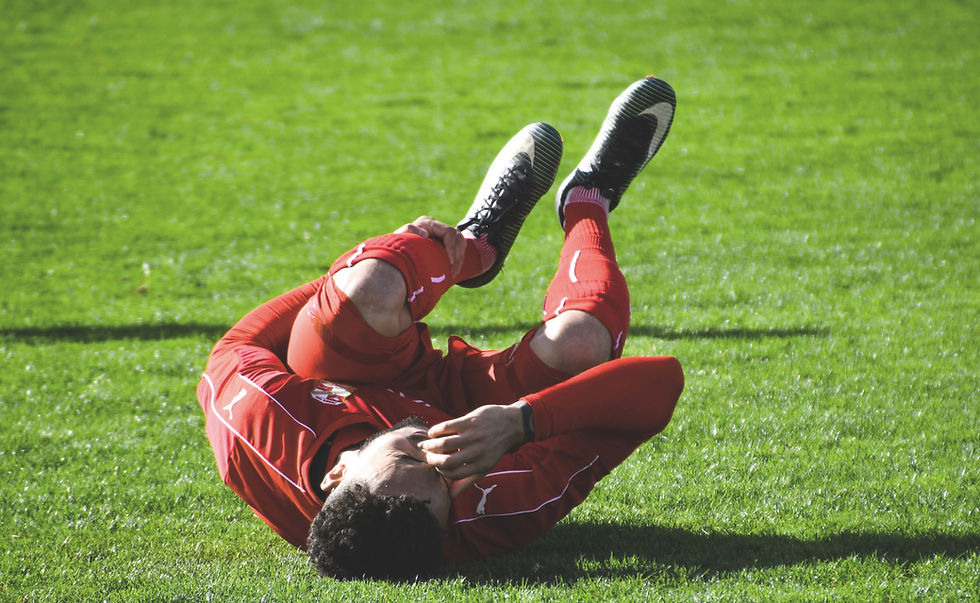
Sports injury, recovery, general health
Addressing and evolving list of topics (but not limited to):
● Understanding importance of acute (immediate) and chronic injuries.
● What real recovery is and means.
● Understanding signs of overtraining (and the potential effects, log-term).
● Understanding each role of health professionals
● Understanding (where applicable) how health insurance works
● Understanding how being 17 years old and joking about your old, broken body and knee problems from sports isn't 1) cool or 2) necessary.
05

Navigating athletic, academic, career paths
Addressing and evolving list of topics (but not limited to):
● Understanding the pursuit of elite athletic levels of performance (achieved in high school)
● Learning about playing in college
● Learning about academic and career paths
● Learning about student loans, personal finance, and the word that is increasingly scary to people: debt. (and it shouldn't be)
06
.jpeg)
Navigating human dynamics
Addressing and evolving list of topics (but not limited to):
● Learning how human and non-human influences impact decision-making.
● Understanding what creates bias.
● Understanding how the treatment of genders differs in cultures
● Understanding the role of your parents and guardians and what they navigate each day
● Understanding the importance of empathy, curiosity, and a willingness to be out of your comfort zone.
● Understanding parent and volunteer/paid coaches
● Exploring dating
● Exploring conflict resolution
● Exploring cultural and age differences
● Exploring the concept of wanting to belong
● Exploring how age groups experienced technology and it's impact on their lives
● Exploring human collateral damage-how we impact those around us to achieve goals.
01
Sports performance
Addressing and evolving list of topics (but not limited to):
● Everything training
● Proper exercises and equipment for age, training age, sport, sport combinations, training seasons (off-, pre-, in-, & post-seasons) (throughout the year)
● Proper plan adaptations based on injury, fatigue, sport, season, etc.
● Proper plans for muscle endurance, muscle building (Hypertrophy), strength, and power
● Proper plans for the physiological needs of each sport
02

Athletic, Academic, & Career Considerations
Addressing and evolving list of topics (but not limited to):
● Understanding the pursuit of elite athletic levels of performance (achieved in high school)
● Learning how to eat better at school
● Understanding how muscle is actually gained
● Understanding gender differences
● Understanding the value of calculating when macronutrients and micronutrient are consumed and how much.
● Understand what to eat, when, and what to do if behind on nutrients for the day.
03

Athletic, Academic, & Career Considerations
Addressing and evolving list of topics (but not limited to):
● Understanding the pursuit of elite athletic levels of performance (achieved in high school)
● Learning how to eat better at school
● Understanding how muscle is actually gained
● Understanding gender differences
● Understanding the value of calculating when macronutrients and micronutrient are consumed and how much.
● Understand what to eat, when, and what to do if behind on nutrients for the day.
04
Sports injury, recovery, general health
Addressing and evolving list of topics (but not limited to):
● Understanding importance of acute (immediate) and chronic injuries.
● What real recovery is and means.
● Understanding signs of overtraining (and the potential effects, log-term).
● Understanding each role of health professionals
● Understanding (where applicable) how health insurance works
● Understanding how being 17 years old and joking about your old, broken body and knee problems from sports isn't 1) cool or 2) necessary.
05
Navigating athletic, academic, career paths
Addressing and evolving list of topics (but not limited to):
● Understanding the pursuit of elite athletic levels of performance (achieved in high school)
● Learning about playing in college
● Learning about academic and career paths
● Learning about student loans, personal finance, and the word that is increasingly scary to people: debt. (and it shouldn't be)
06
Navigating human dynamics
Addressing and evolving list of topics (but not limited to):
● Learning how human and non-human influences impact decision-making.
● Understanding what creates bias.
● Understanding how the treatment of genders differs in cultures
● Understanding the role of your parents and guardians and what they navigate each day
● Understanding the importance of empathy, curiosity, and a willingness to be out of your comfort zone.
● Understanding parent and volunteer/paid coaches
● Exploring dating
● Exploring conflict resolution
● Exploring cultural and age differences
● Exploring the concept of wanting to belong
● Exploring how age groups experienced technology and it's impact on their lives
● Exploring human collateral damage-how we impact those around us to achieve goals.
03
Why this system took seven years of research and development
During our research throughout the world, 99% of the reasons why student athletes sjvnsjvnsljkvnslvdjknslvn was because of feeling shame.
You can write about the business's history here, from its founding until now. Draw readers in with an engaging narrative. By telling its story, you can help people connect to the business. Share what inspired its creation and what need it was meant to fill. You can include details of the obstacles it overcame to get where it is today.
Let visitors to this website know that they'll find what they're looking for right here. Present the business as the solution to a specific problem and highlight the ways the business's products or services can make life better for people.
Let visitors to this website know that they'll find what they're looking for right here. Present the business as the solution to a specific problem and highlight the ways the business's products or services can make life better for people.
Outline the business's mission and core values. Describe the principles that drive its work and the standards it upholds. In a few words, explain the impact this business has had, or hopes to have, on its community and the world.
Tell readers how the business puts its users first. Emphasize how it looks out for them, finding solutions to meet their needs and keep them satisfied. Reassure prospective clients and customers that they won't regret choosing the business's services or products.